Practice on Second Conditional (Present Unreal Conditional)

Hi there!

Here are some exercises for you to practice with the Second Conditional:

SECOND CONDITIONAL 1 (http://www.perfect-english-grammar.com/second-conditional-exercise-1.html)


SECOND CONDITIONAL 5

SECOND CONDITIONAL 6

SECOND CONDITIONAL 7

Noun Clauses with THAT


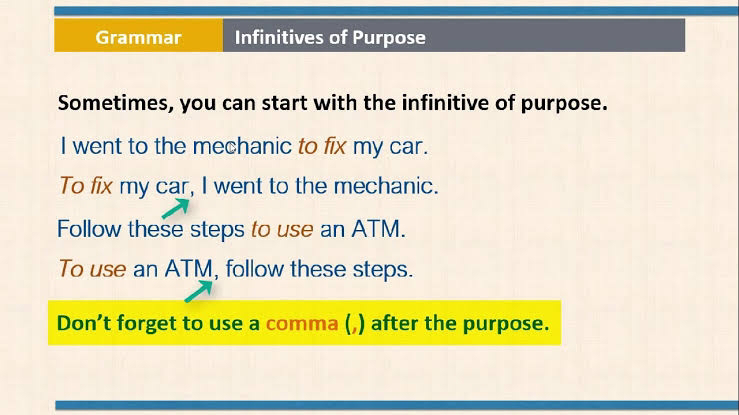
Infinitives of purpose


Past Continuous (Progressive) with WHILE and WHEN


PAST CONTINUOUS 


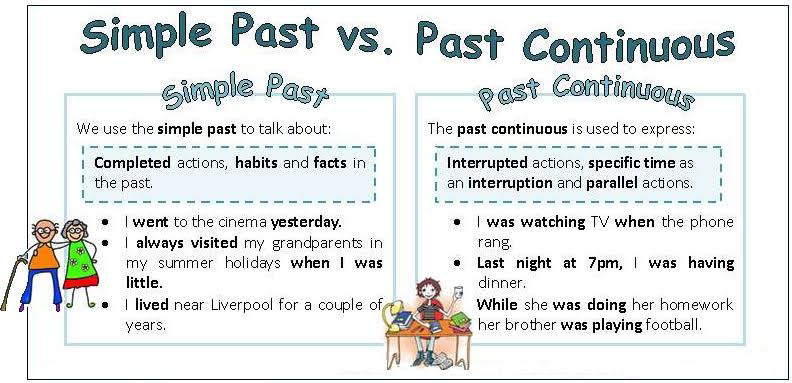
SIMPLE PAST VS PAST CONTINUOUS 


Reflexive Pronouns


Future Real Conditional (First Conditional)

Subordinating conjunctions in time clauses


Modals of Possibility and Probability with Continuous Tenses


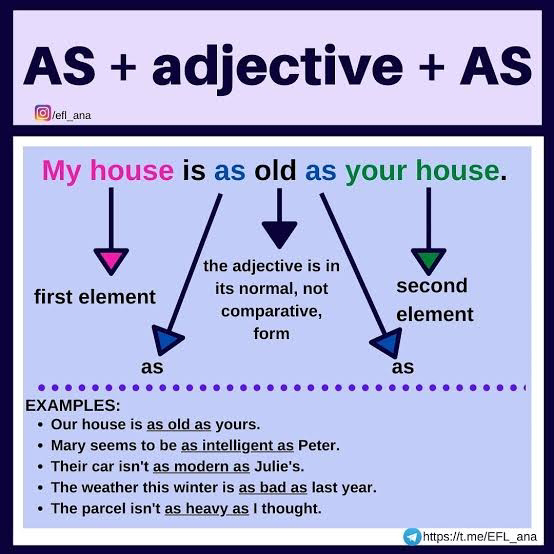
Comparisons with As... as


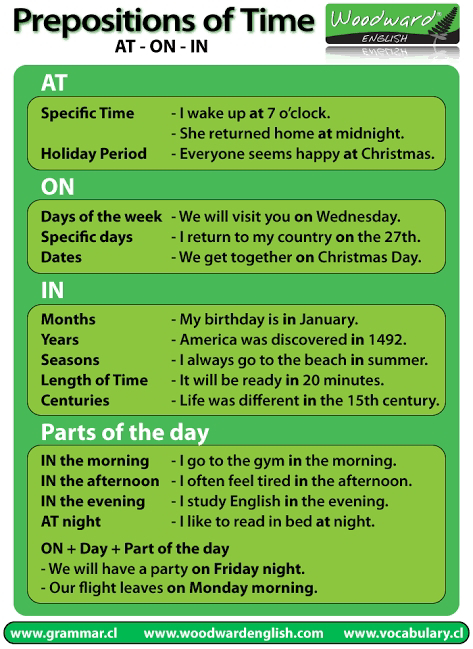
Prepositions of time


Past Intentions (Future in the past)

Answer these exercises to practice with past intentions (was/ were going to...):

https://www.esl-lounge.com/student/grammar/2g20-i-was-going-to.php

https://test-english.com/grammar-points/b2/future-in-the-past/

https://www.engvid.com/english-grammar-the-future-in-the-past/

https://www.tolearnenglish.com/exercises/exercise-english-2/exercise-english-6594.php


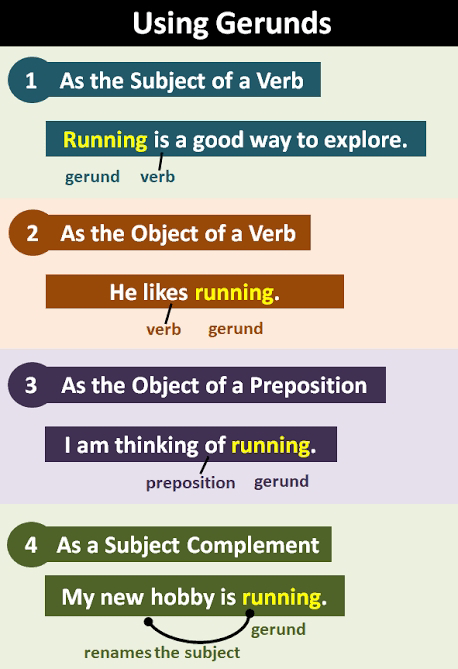
Gerunds as subjects or objects


USED TO and WOULD

Tag questions in English


Reported Commands and Requests

Just like with the Reported Speech, we can repeat or report what someone else ASKS or ORDERS.

We use verbs like ASK for requests, and TELL and SAY for commands (orders), but there are many others, like WARN, ADVISE, etc. 

If you use ASK, WARN, ADVISE, and TELL, you need to include an object. If you use SAY that's not necessary. 

Reported orders, commands and requests are formed using the to-infinitive and not to-infinitive.

Practice with the following exercises:


Making suggestions


Here are some exercises to practice with this topic:


Object Complements

An object complement is a word or a phrase that describes, renames, or identifies the object of a clause. An object complement follows the object.

In this case, we refer to the DIRECT OBJECT, which receives the action of the verb and answers the questions WHAT or WHOM. 

It can be an adjective or adjective phrase, a noun or noun phrase. 


Practice with the following exercises:

👇🏼 


So... that/ Such... that

If you want to practice with these concepts, try with these exercises:

👇🏼 


Present Perfect Tense

The present perfect is formed from the present tense of the verb have and the past participle of a verb.

We use the present perfect:

👉🏼 For something that started in the past and continues in the present.

👉🏼 When we are talking about our experience up to the present.

👉🏼 For something that happened in the past but is important in the present.

Some common signal words we use with this tense are SINCE, FOR, ALREADY, YET, STILL, JUST, EVER, and NEVER. 


Collocations with Prepositions


QUANTIFIERS

https://www.grammarbank.com/quantifiers-exercise-3.html


posted under | 0 Comments

Article Usage

ARTICLE USAGE


Newer Posts Older Posts Home

About Me

Teacher Valeria
View my complete profile
Powered By Blogger
Powered by Blogger.

Blog Archive

    Translate


Recent Comments